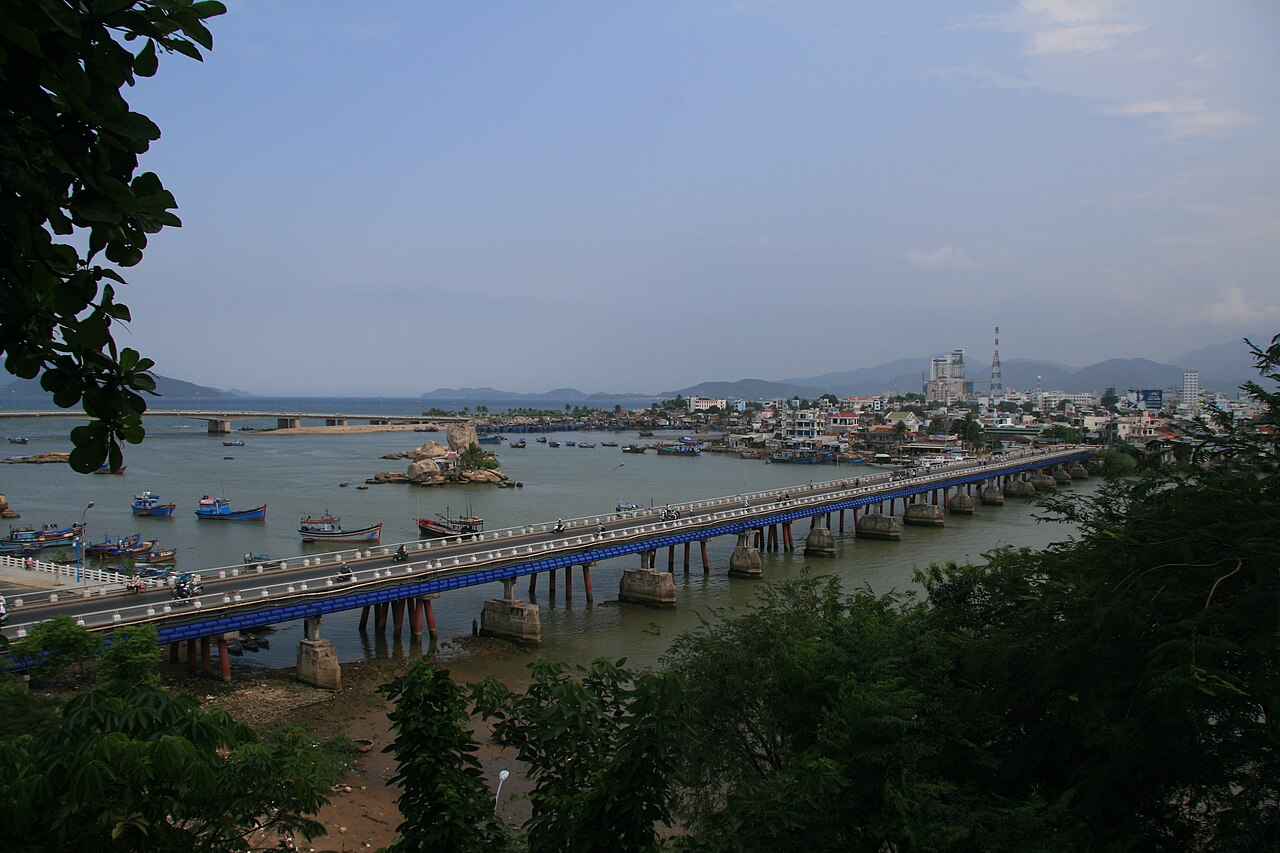
The 73rd Miss World pageant was held on 5 September 2026 at April 2nd Square in Nha Trang, on Vietnam’s south-central coast, with 111 entrants. Eritrea, French Guiana, the Maldives, Mozambique and Pakistan made debut appearances; eleven countries withdrew.
The interesting part is not the result. It is why a Vietnamese province wanted to host it.
Advertisement — ad space reserved
Hosting as tourism policy
Khánh Hòa province, of which Nha Trang is the main city, depends heavily on beach tourism, and its visitor market was reshaped by the pandemic years and by shifts in which countries send travellers to Vietnam. Hosting a globally broadcast event puts the coastline in front of audiences in more than a hundred countries for the price of a production deal and some infrastructure spending.
This is the same calculation behind mid-sized cities bidding for sporting championships, film festivals and conference circuits. The economics are genuinely contested: hosting bodies produce impact figures that independent economists routinely find optimistic, because they count gross visitor spending rather than the net effect after displaced ordinary tourism and public subsidy.
What is less disputed is the effect on awareness. For a destination competing against better-known regional rivals, a broadcast is a cheaper route to recognition than an advertising campaign of equivalent reach.
What the entry list shows
Debuts and withdrawals in pageants track things other than beauty. A first-time entry from Eritrea, Mozambique or Pakistan usually reflects the formation of a national licensee organisation rather than any change in public enthusiasm, and the withdrawals — Angola, Armenia, Ecuador, Estonia, Honduras, Madagascar, Moldova, Romania, Suriname, Togo, Tunisia this year — most often reflect a franchise lapsing, a sponsor withdrawing, or a domestic dispute over who holds the national rights.
In several countries participation is contested on other grounds. Pageants have been the subject of long-running argument between those who regard them as an outdated ranking of women’s appearance and those who describe them as a scholarship and platform route for young women with few others. That argument is live in Pakistan and in a number of the debuting countries, and it is not settled by pointing to the charitable component or by pointing to the swimsuit round.
Advertisement — ad space reserved
Vietnam’s wider bid
Vietnam has spent a decade positioning itself as a destination for international events, and the country now hosts pageants, tournaments and business summits at a rate that would have been unlikely twenty years ago. It sits alongside a manufacturing economy that has absorbed a large share of supply chains relocating from China, and a diplomatic posture that keeps the country on working terms with Washington, Beijing and Moscow simultaneously.
A pageant on a beach is a small data point in that, but it is the kind of thing states do when they want to be seen as ordinary destinations rather than as case studies.
Sources
- Miss World Organization announcements on the 2026 edition and its venue, March-September 2026
- Entry, debut and withdrawal lists for the 73rd Miss World
Leave a Reply