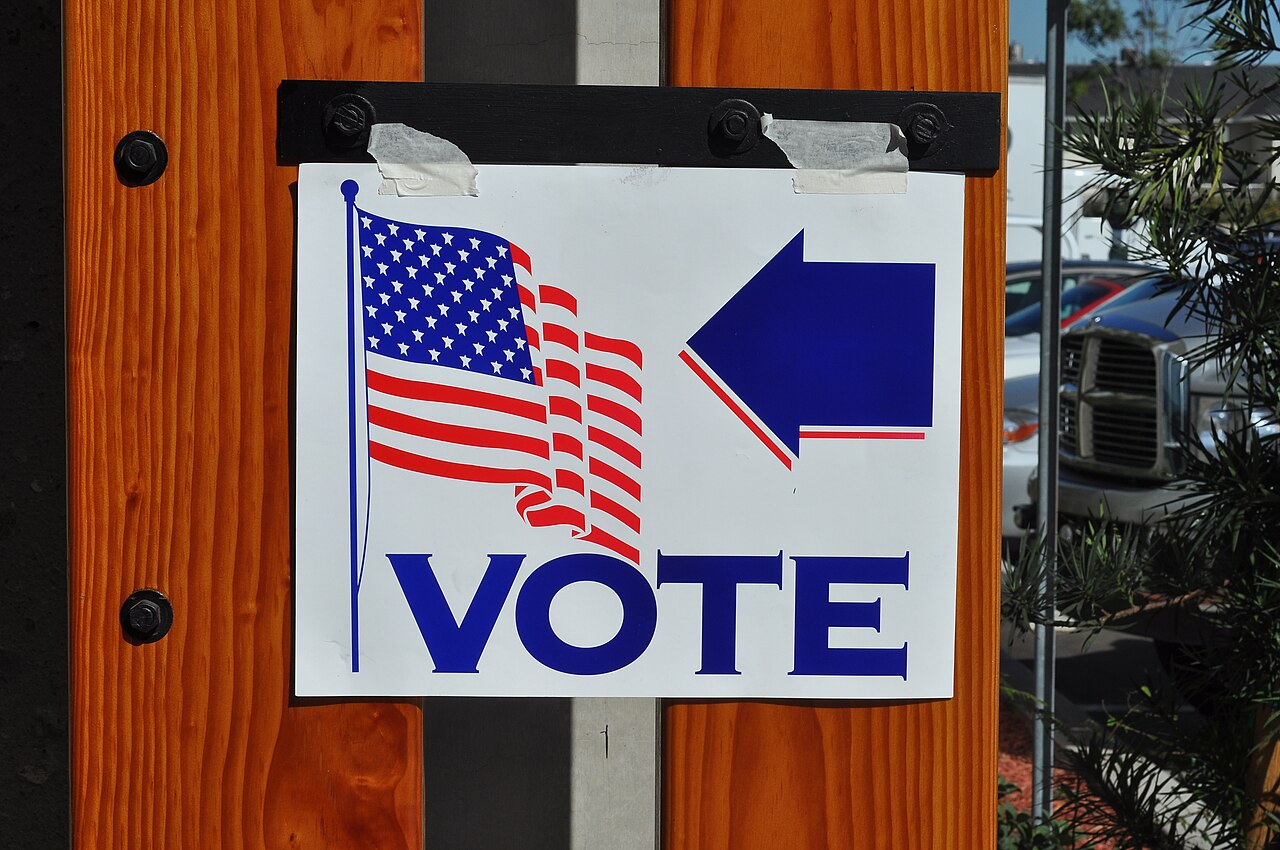
Federal authorities are moving to build lists of citizen voters, drawing on federal databases to check the registration rolls that states maintain. It is a technical-sounding project with substantial consequences, and both the case for it and the case against rest on the same underlying fact: the data is imperfect.
Advertisement — ad space reserved
Where American voter rolls come from
Elections in the United States are administered by states and counties, not by the federal government. There is no national voter register and no national identity number used for voting. Rolls are built from registration forms, driver’s licence records and other state sources, and maintained by thousands of separate local offices.
This produces well-documented untidiness: people who moved and are registered in two places, entries for people who have died, duplicates from name variations. Studies have consistently found that this untidiness is not the same thing as fraud — an outdated record is not a vote — but it is real, and it is what a federal cross-check is aimed at.
The case for the checks
Supporters argue that only citizens may vote in federal elections, that this is not controversial, and that states have no reliable way to verify citizenship on their own. Federal agencies hold immigration and naturalisation records that could confirm status, and declining to use them means the rule exists without any means of enforcement. Public confidence, on this view, requires that the roll be demonstrably accurate rather than assumed to be.
The case against
Opponents make an argument about error rates rather than about intent. Matching two large databases on names and dates of birth produces false matches, and the rate is not uniform across the population: shared surnames, hyphenated and changed names, and transliteration variants all raise it. Naturalised citizens are the group most likely to be flagged incorrectly, because their status changed and federal records may not reflect the change promptly.
Previous state-level citizenship purges have illustrated the pattern. Programmes in Florida and Texas in the past decade flagged tens of thousands of registrations, and large proportions of those flagged turned out to be citizens; both efforts were substantially scaled back after litigation. The people wrongly caught are, by construction, disproportionately naturalised citizens and people with common surnames.
There is also a federalism objection, which cuts across party lines: the Constitution assigns the conduct of elections to the states, and a federal list of who may vote is a structural change to that arrangement regardless of who builds it.
Advertisement — ad space reserved
The details that decide it
Three procedural questions determine whether such a programme removes ineligible registrations or eligible voters. What matching standard is used — an exact match on multiple fields, or a probabilistic one. Whether a flag triggers removal or merely a notice requiring the voter to respond. And how long a voter has to respond, and by what means, before the registration is cancelled.
Those three answers, not the stated purpose, are what a court will examine and what determines the effect on the ground.
Related, and running in parallel: the postal service warnings about mail-in ballot deadlines before November.
Sources
- Reporting on federal citizen voter list efforts, 3-5 September 2026
- Background on state citizenship verification programmes in Florida and Texas and subsequent litigation
Leave a Reply