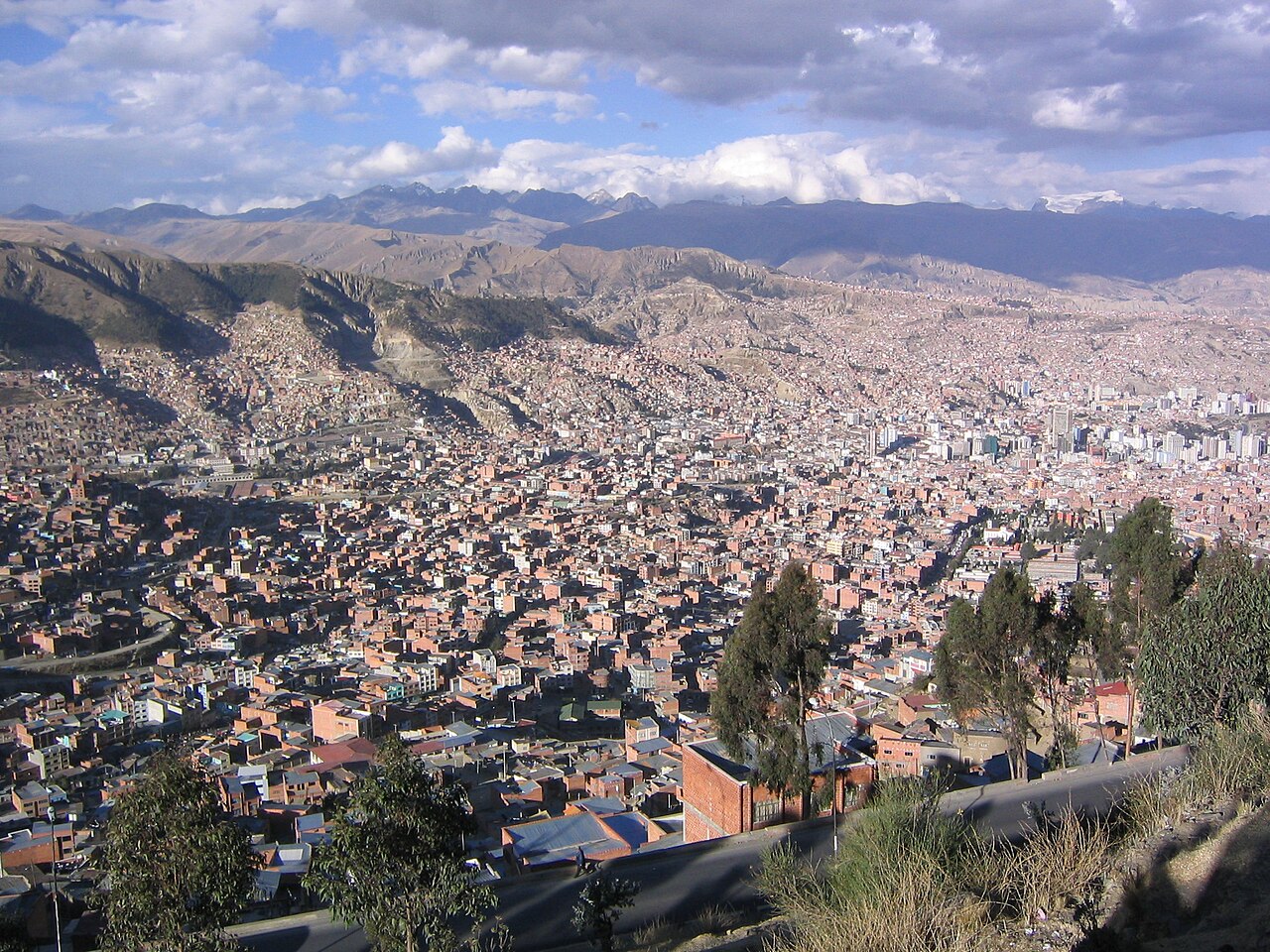
Two explosions tore through a military barracks in Viacha, about 30km from La Paz, at around half past two on Friday afternoon. The site was used to store pyrotechnic material. An artillery regiment is based there.
How many people died is not settled. Bolivia’s deputy defence minister, Ernesto Justiniano, put the confirmed toll at two with at least 58 injured. Viacha’s health director, Rita Nebraska, told local television that between 10 and 15 were believed to have been killed and 62 injured, with 14 of the wounded transferred to hospitals in La Paz, among them a girl with third-degree burns. Authorities said seven people were still missing. Several international outlets have led with at least ten dead; others with two.
Why the two figures both exist
They are answers to different questions. A defence ministry usually reports bodies identified and recorded through its own chain. A hospital or health directorate reports what has arrived at its facilities, plus what its staff are being told by rescuers at the scene. When seven people are unaccounted for and a building is still burning, the second number moves first and the first number moves last.
Neither is dishonest. The gap between them is the ordinary shape of the first eighteen hours after an explosion, and it is why a careful reader should treat “between two and fifteen” as the actual state of knowledge today rather than picking whichever end fits the headline.
Advertisement — ad space reserved
The injuries were mostly caused by windows
Police said dozens of nearby homes were damaged and that many civilians were hurt by shattered glass. The deputy defence minister said about 50 civilians and six military personnel had been treated at medical centres in Viacha.
That ratio — civilians outnumbering soldiers by roughly eight to one — is the whole story of what a storage site does to the neighbourhood around it. Blast waves break glass at distances far beyond the fenced perimeter, and the resulting lacerations are the characteristic injury of an urban explosion. It is also why the health director warned of the risk of a further detonation and told people to stay at least 150 metres away.
Fireworks, not munitions — and why that is not reassuring
A police spokesman, Roger Roca, said fireworks were stored at the barracks and that the cause remained under investigation. Officials indicated the blast originated in the defence ministry’s pyrotechnic stockpile.
Pyrotechnics are held by armed forces for ceremonies, signalling and training. They are lower-order explosives than artillery ammunition, but they burn fast, they are stored in bulk, and they are frequently kept under looser rules than ordnance because they are classified as something else. A large quantity in one place produces a mass detonation regardless of what the paperwork calls it.
The recurring pattern in these events, across countries, is that a facility built on the edge of a settlement gradually ends up in the middle of one, and the storage separation distances that were adequate when it was sited quietly stop being adequate. Viacha has grown considerably in recent decades.
What the investigation has to answer
Justiniano said an investigation would examine the cause, how the pyrotechnic material was stored, and whether anyone was responsible. Those are the right three questions, and the second is the one that usually determines the answer to the third.
The specific things worth following: the quantity held on site and whether it exceeded the licensed limit; the distance from the store to the nearest homes measured against Bolivia’s own standards; and whether the findings are published. Viacha’s authorities have declared three days of mourning. Mourning is announced within a day. Findings, in cases like this, tend to take considerably longer, and often never appear at all.
Advertisement — ad space reserved
Related from Plain Sight News: why munitions end up stored where people live.
Sources: Reuters; Al Jazeera; AFP; ABC (Australia); CBC News; Anadolu Agency.
Leave a Reply