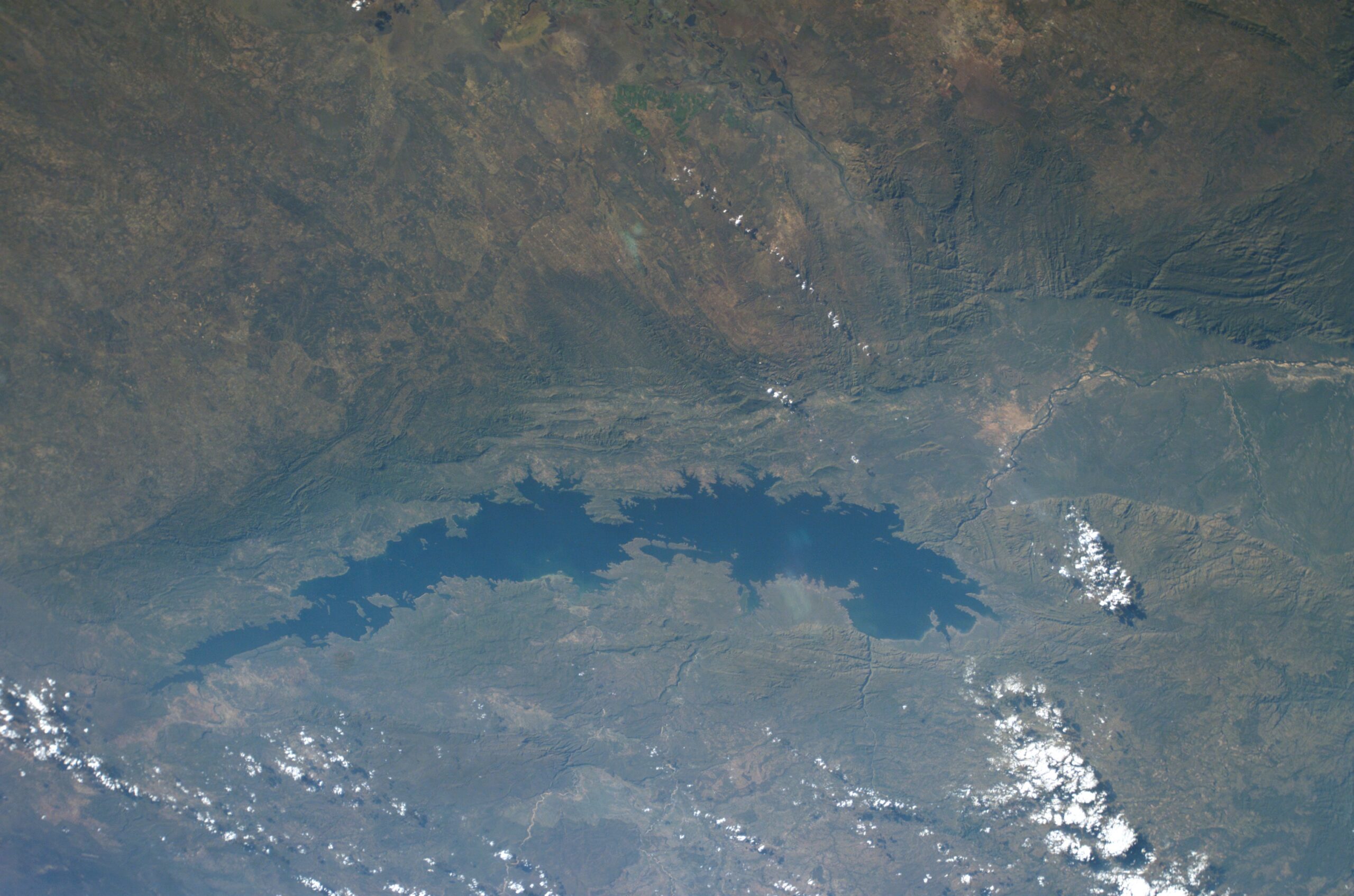
On 11 August, a passenger ferry called the Mbuya Nehanda capsized in heavy winds on Lake Kariba. Ninety-seven people died. It is the deadliest boat disaster in Zimbabwe’s history, and outside southern Africa it was reported for about two days.
Part of the reason is a quirk of how disasters are covered. The first wire reports put the toll at 15, then 44, then 46. By the time the number reached 97, the story had left the news cycle. Most international readers, if they saw it at all, saw a figure that was wrong by a factor of six.
Advertisement — ad space reserved
Who owned the boat
The ferry was operated by the Rural Infrastructure Development Agency, a Zimbabwean state body. It ran between the town of Kariba and Chalala, a rural community on the lake.
It was carrying at least 114 adults and five crew, plus an unrecorded number of children, against a lower authorised capacity. The government has confirmed the vessel was overloaded. President Emmerson Mnangagwa declared the sinking a national disaster on 18 August and said it had exposed serious deficiencies in the country’s maritime capabilities.
That combination is what makes this more than an accident report: the operator was the state, the overloading was on the state’s own vessel, and the regulator of passenger safety is the same state.
Why the boat was full
Overloading tends to be reported as recklessness, and sometimes it is. More often it is what happens when a route has no alternative.
Lake Kariba is the largest man-made lake in the world by volume, and the communities around it are served by roads that are in poor condition or absent. For villagers and fish traders, the ferry is not a convenience but the link to a market, a clinic and a school. When a boat runs infrequently and the next one is days away, the pressure to get on the one that is leaving falls on the passengers, and refusing them falls on a crew who know exactly what the refusal costs.
This is the pattern behind most fatal ferry disasters in low-income countries, from Lake Victoria to the Niger river. The proximate cause is a capacity limit ignored. The underlying cause is a transport system where one vessel carries demand built for several.
Advertisement — ad space reserved
The children
Eighteen of the dead were children. Sixteen were ten years old or younger. The youngest was one.
There is a documentary detail worth pausing on: the children were not on the manifest. The passenger count records adults and crew, with children unspecified. A ferry that does not count the children it carries cannot know when it is full, and cannot tell rescuers how many people to look for.
What happens to an inquiry like this
A national disaster declaration unlocks emergency resources and, usually, an investigation. The pattern in comparable cases across the region is that findings arrive months later, attract little coverage, and result in recommendations about capacity monitoring and life jackets that require money nobody has allocated.
The measure of whether this one is different is narrow and checkable: whether the Kariba–Chalala route gets a second vessel, and whether anyone is required to count children before departure. We intend to follow it up rather than leave the story at the point where the cameras left.
Advertisement — ad space reserved
Sources
Zimbabwe Republic Police statements; The Herald (Zimbabwe); BBC News; Reuters; Al Jazeera; The Guardian; SABC News; statements from the Office of the President of Zimbabwe.
Leave a Reply